








Christian events are no longer viewed only as gatherings.
Increasingly, they are becoming full cultural experiences.
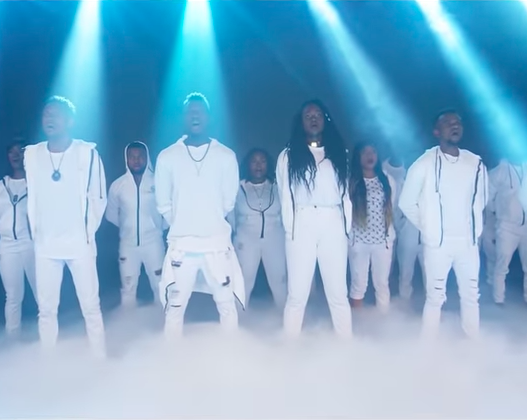
Conferences, worship nights, gospel concerts, festivals, and creative summits now combine music, storytelling, branding, fashion, stage design, media production, and social interaction into immersive environments.
This reflects a broader cultural shift.
Modern audiences do not simply attend events for information. They attend for atmosphere, emotional connection, community, and memorable experiences.
This is why many Christian events now pay close attention to aesthetics and production quality.
Stage lighting, LED visuals, sound design, creative direction, event branding, merchandise, photography booths, and cinematic trailers are becoming normal parts of faith-based gatherings.
Examples are visible across major Christian conferences globally. Worship events now often resemble concert experiences with immersive visuals and audience participation. Creative conferences combine panel discussions, networking, performances, and social media engagement.
In Nigeria, worship gatherings increasingly attract younger audiences partly because organizers understand presentation and atmosphere.
This does not mean events have become less spiritual.
Rather, many organizers recognize that environments shape emotional engagement.
The rise of social media has accelerated this shift further.
Attendees now document events constantly through photos, videos, livestreams, and online commentary. A successful event often continues existing digitally long after it ends physically.
This creates cultural momentum.
Events become online conversations, aesthetic references, and identity markers for attendees.
Merchandise culture has also grown significantly. Conference hoodies, branded journals, tote bags, wristbands, and limited-edition products now help extend event identity beyond the gathering itself.
However, this evolution also raises important questions.
Can Christian events become overly focused on spectacle? Does presentation sometimes overshadow substance?
Those concerns are valid.
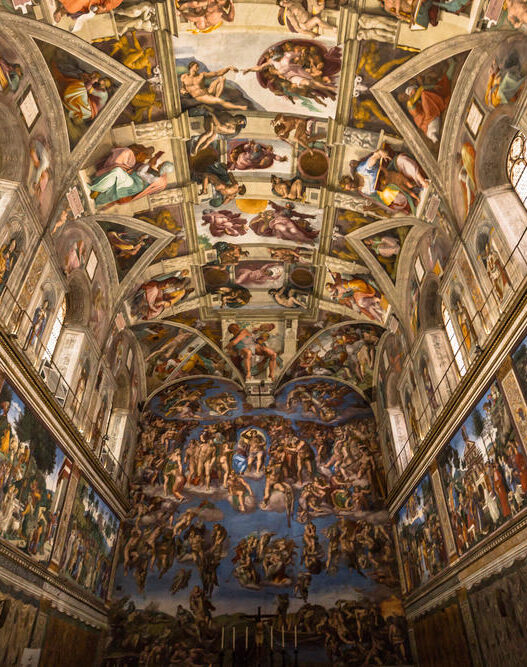
But presentation itself is not the problem. Throughout history, religious gatherings have always used architecture, music, symbolism, and art to shape communal experience.
The difference today is technological sophistication.
Modern Christian events increasingly understand that culture is shaped not only by message but by experience.





Your insights in this post are spot on. I can\’t wait to see what you write next!
Thank you! I\’m thrilled that you found the post valuable. Your support means a lot.
I\’m impressed by your writing style and the depth of your knowledge on this topic.