







Christianity was never originally framed as an aesthetic, a content niche, or a personal identity style. It was a faith, a way of life, a set of practices rooted in worship, community, ethics, and spiritual transformation.
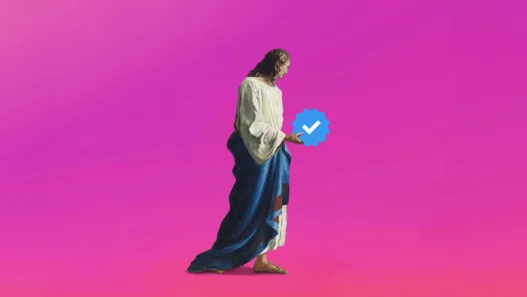
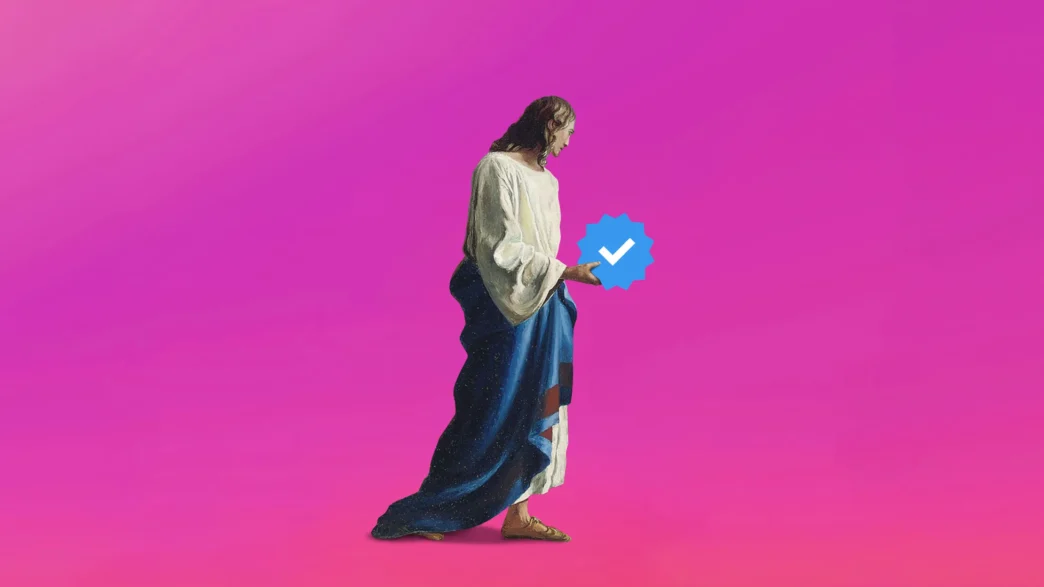
But in the current digital era — especially across social media — Christianity increasingly appears not just as belief, but as branding.
The question is no longer whether people believe.
It is how belief is being packaged, performed, and consumed.
When Faith Starts Looking Like Content
Scroll through digital spaces today and Christianity is everywhere — sermons clipped into short videos, worship moments turned into aesthetic reels, devotionals designed for engagement, and “Christian lifestyle” content curated with visual precision.
There is nothing inherently wrong with this visibility. In fact, it has made faith more accessible to many people who might never enter a physical church.
But something subtle has shifted.
Christianity is no longer only practiced. It is also presented.
And presentation has rules: tone, visuals, consistency, audience engagement, identity clarity.
That is where the language of branding quietly enters.
The Rise of the “Christian Identity Aesthetic”
Increasingly, Christianity is not just about doctrine or devotion. It is also about identity signals.
What you wear. The tone of your captions. The music you listen to. The type of church you attend. The way you speak about purpose, healing, or destiny.
Faith becomes part of a curated identity system.
This is where Christianity begins to overlap with lifestyle branding.
Not in a commercial sense alone, but in the way people construct a recognizable “version” of themselves online and offline.
In that space, being Christian can sometimes function like being part of a cultural category — complete with aesthetics, language patterns, and emotional cues.
The Influence of Digital Christianity
Digital platforms have intensified this shift.
Christian content now competes in the same attention economy as fashion, entertainment, and self-development media. That naturally influences how it is packaged.
Messages are shortened. Emotions are heightened. Visuals are refined. Narratives are simplified for shareability.
Even spiritual language begins to evolve into repeatable phrases:
“season of breakthrough”
“God is doing a new thing”
“alignment”
“purpose journey”
“divine timing”
None of these are wrong on their own — but collectively, they begin to form a recognizable content language.
And content language is one of the foundations of branding.
When Faith Becomes Performance Pressure
One of the unintended consequences of this shift is performance pressure.
If Christianity is also a visible identity, then there is pressure to appear spiritually consistent.
To always sound strong.
To always look intentional.
To always post the right expressions of faith.
To always communicate “growth.”
But real spiritual life is often inconsistent, private, and complex.
The gap between lived experience and performed identity can quietly create tension — especially for younger believers navigating social media visibility.
The Church as a Content Producer
Another layer of this shift is institutional.
Many churches are now media organizations as much as spiritual communities. They produce high-quality visuals, stage designs, livestreams, branding systems, and digital campaigns.
This has helped expand reach dramatically.
But it also means church identity itself is increasingly mediated through production quality.
A sermon is not just heard — it is watched, clipped, shared, and evaluated aesthetically.
This does not diminish spiritual value. But it does change perception dynamics.
Christianity vs Christianity-as-Brand
There is an important distinction here that often gets blurred.
Christianity as a faith is about transformation, community, discipleship, worship, and ethics.
Christianity-as-brand is about recognition, consistency, aesthetic coherence, and public identity.
They can overlap.
But they are not the same thing.
One is internal formation.
The other is external presentation.
The tension begins when presentation starts to subtly replace formation as the primary measure of spiritual life.
What Is Actually Happening?
It is not accurate to say Christianity has fully become a lifestyle brand.
But it is also no longer accurate to say it exists outside branding logic.
What is happening is a hybrid reality:
Faith is still deeply spiritual for many people.
But it is now also expressed, consumed, and circulated through cultural and digital systems that behave like branding ecosystems.
That shift is not necessarily good or bad.
But it is real.
The Deeper Question
So the real question is not only:
Have we turned Christianity into a lifestyle brand?
It is also:
What happens to spiritual depth when faith becomes visually optimized for attention?
And more importantly:
Can something remain sacred when it is also constantly being curated?
The answers are still unfolding — in churches, on screens, in communities, and in the private lives of believers trying to navigate both worlds at once.








This post is a game-changer. I\’ve learned so much from it – thank you!
I\’m glad you enjoyed it! Your kind words inspire me to keep creating informative content.
I\’m so glad I found your site. Your posts are consistently excellent.
I love how your posts are always so well-structured and easy to follow.
Your post is a true masterpiece. I\’ll be referencing it in my own work.