


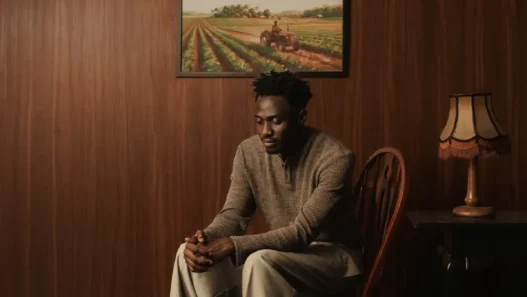








For years, African gospel music occupied a very specific cultural lane. It was often deeply spiritual but rarely treated as part of mainstream youth culture or global music conversations. That has changed dramatically.
Today, Afrogospel exists as one of the fastest-growing intersections between faith, African music, and digital culture. Artists are now blending Afrobeats, amapiano, hip-hop, trap, R&B, highlife, and contemporary worship into music that feels spiritually rooted and culturally current.
But Afrogospel did not emerge overnight.
Long before the term became popular, Nigerian artists were already experimenting with contemporary Christian sound. Groups like Midnight Crew and Infinity introduced modern production into gospel music while artists like Bouqui and Rooftop MCs helped pioneer Christian hip-hop culture in Nigeria. These artists created music that felt youthful, urban, and accessible.
The difference today is scale.
Streaming platforms, social media, and short-form content have removed geographical barriers. Songs can now move from Lagos to London, Nairobi to Atlanta, within hours. TikTok snippets, Instagram Reels, YouTube performances, and playlist culture have created entirely new pathways for gospel music discovery.
Afrogospel artists are also paying closer attention to branding, visuals, storytelling, and aesthetics. Music is no longer treated as audio alone. The visual world surrounding the music now matters deeply — album art, fashion, stage design, cover shoots, content strategy, and live experiences all contribute to audience connection.
Another major factor behind Afrogospel’s rise is authenticity.
Younger audiences increasingly want music that feels emotionally honest and culturally familiar. Afrogospel often speaks the language of contemporary African youth while still communicating faith, hope, worship, and conviction.
Artists like Limoblaze, Gaise Baba, CalledOut Music, and Rehmahz represent this newer generation of globally aware Christian creatives who understand both ministry and modern media.
The movement is also changing perceptions of gospel music itself. For years, gospel music was sometimes treated as artistically inferior or commercially limited. Afrogospel is challenging that idea by showing that spiritually grounded music can also be sonically excellent, visually compelling, and culturally influential.
The future of Afrogospel will likely depend on whether the movement can maintain spiritual depth while expanding culturally. Virality can create attention, but longevity requires substance.
Still, one thing is clear: African Christian music is no longer operating quietly on the sidelines. It is becoming part of the global soundscape.






Your dedication to providing quality content is truly admirable. I\’m a fan of your work.
Thank you for your kind words. I\’m delighted that you found the post enlightening.
I\’m impressed by your writing style and the depth of your knowledge on this topic.
I\’m so glad I found your site. Your posts are consistently excellent.