







For a long time, gospel music had a clear home: the church.
Choir stands shaped it. Sunday services carried it. Revival meetings sustained it. The structure was clear — write for worship, perform in church, measure impact by congregational response.
But that structure is no longer the full story.
Gospel music is moving out of confinement and into something much larger: culture.
Not away from faith — but beyond a single setting.
When Gospel Music Was a Church-Contained Sound
Historically, gospel music functioned as an extension of church life. It was designed for participation, not passive consumption. Songs were built for repetition, congregational response, and spiritual instruction.
In Nigeria especially, the church was both the training ground and the distribution system. If a song worked on Sunday, it mattered. If it didn’t move the congregation, it didn’t survive.
That model produced depth, but also limitation.
Gospel music largely stayed inside its original environment.
The Shift: From Worship Space to Cultural Space
Over the past decade, gospel music has started to behave differently.
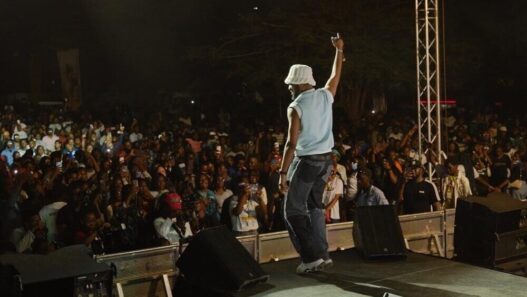
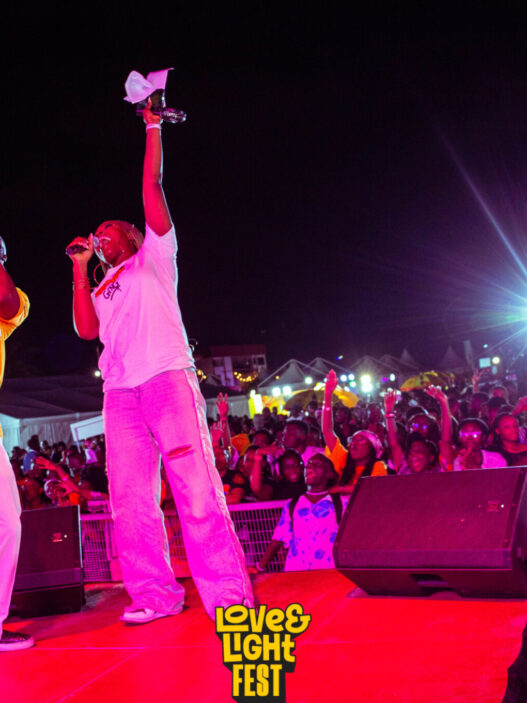
It is no longer restricted to services. It now exists on streaming platforms, social media, concerts, fashion spaces, and even mainstream playlists.
Artists like Sinach helped open that door globally. Songs like Way Maker became international worship standards, no longer tied to a single congregation or geography.
Once gospel music entered global circulation, something changed permanently:
It stopped being only a church experience.
It became a cultural one.
Culture Changes the Rules
When gospel music enters culture, it is no longer bound by liturgical structure.
It becomes:
- portable
- reinterpretive
- visually driven
- emotionally flexible
- platform-independent
This is where modern gospel expression begins to look more like the wider music industry — not in message, but in distribution and influence.
Artists like Mercy Chinwo and Ada Ehi have operated within this transition — maintaining worship roots while also building sound identities that travel across digital and global audiences.
But the most interesting shift is not just commercial reach.
It is cultural fluency.
The Gaise Baba Effect: Gospel That Speaks Culture’s Language
One of the clearest examples of this shift in Nigeria is Gaise Baba.
Gaise Baba represents a different kind of gospel artist — one who does not treat culture as an external threat or separate space, but as a language to be engaged.
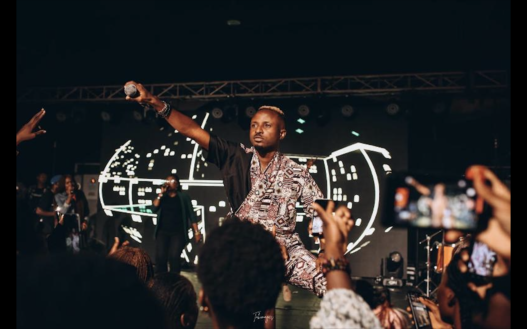
His music sits at the intersection of faith, Afro-fusion, storytelling, and cultural commentary. Instead of confining gospel expression to traditional worship formats, he experiments with sound, rhythm, and narrative structures that feel native to contemporary Nigerian youth culture.
What makes his approach significant is not just style — it is positioning.
He treats gospel music as something that can exist inside everyday cultural conversations, not just inside church moments. That includes digital culture, creative spaces, youth identity, and social expression.
In that sense, Gaise Baba is part of a growing generation of artists redefining what it means for gospel music to be “relevant.”
Not by diluting its message — but by expanding its vocabulary.
The New Reality: Gospel as Cultural Participation
Today, gospel music no longer competes only within church ecosystems.
It now sits beside Afrobeats, R&B, hip-hop, and global pop culture in the same attention space.
It appears in:
- TikTok soundtracks
- lifestyle content
- personal playlists
- film and media scoring
- fashion and creative spaces
This means gospel music is no longer just something people attend.
It is something they encounter in daily life.
The Tension: Expansion Without Losing Root
As gospel music expands, tension naturally follows.
Some fear that cultural expansion weakens spiritual depth. Others argue that confinement was never the point — influence was.
The real question is not whether gospel music should enter culture.
It already has.
The question is whether it can remain spiritually grounded while operating in unrestricted creative space.
The New Gospel Artist Is a Cultural Translator
The modern gospel artist is no longer only a worship leader.
They are also:
- cultural interpreters
- digital storytellers
- brand thinkers
- visual communicators
- platform-native creators
They understand that influence today is not limited to pulpits or stages. It lives in attention, narrative, and repetition across culture.
Artists like Anendlessocean reflect this shift as well — creating music that sits between devotion, introspection, and cultural listening rather than strictly structured worship formats.
Conclusion: Church Remains the Source — Culture Becomes the Reach
The future of gospel music is not a rejection of church.
It is an expansion of reach.
Church remains the origin — the place where sound, theology, and worship expression are formed.
But culture is becoming the space where that sound now travels, evolves, and multiplies.
And artists like Gaise Baba represent a clear signal of what that future looks like:
gospel music that does not leave church behind — but refuses to stay confined within it.






I love how your posts are always so well-structured and easy to follow. Keep it up!
Your content is a go-to source for me when I need information. Great work, as always!
Thank you, for your kind words. I\’m committed to maintaining the quality of my posts.