










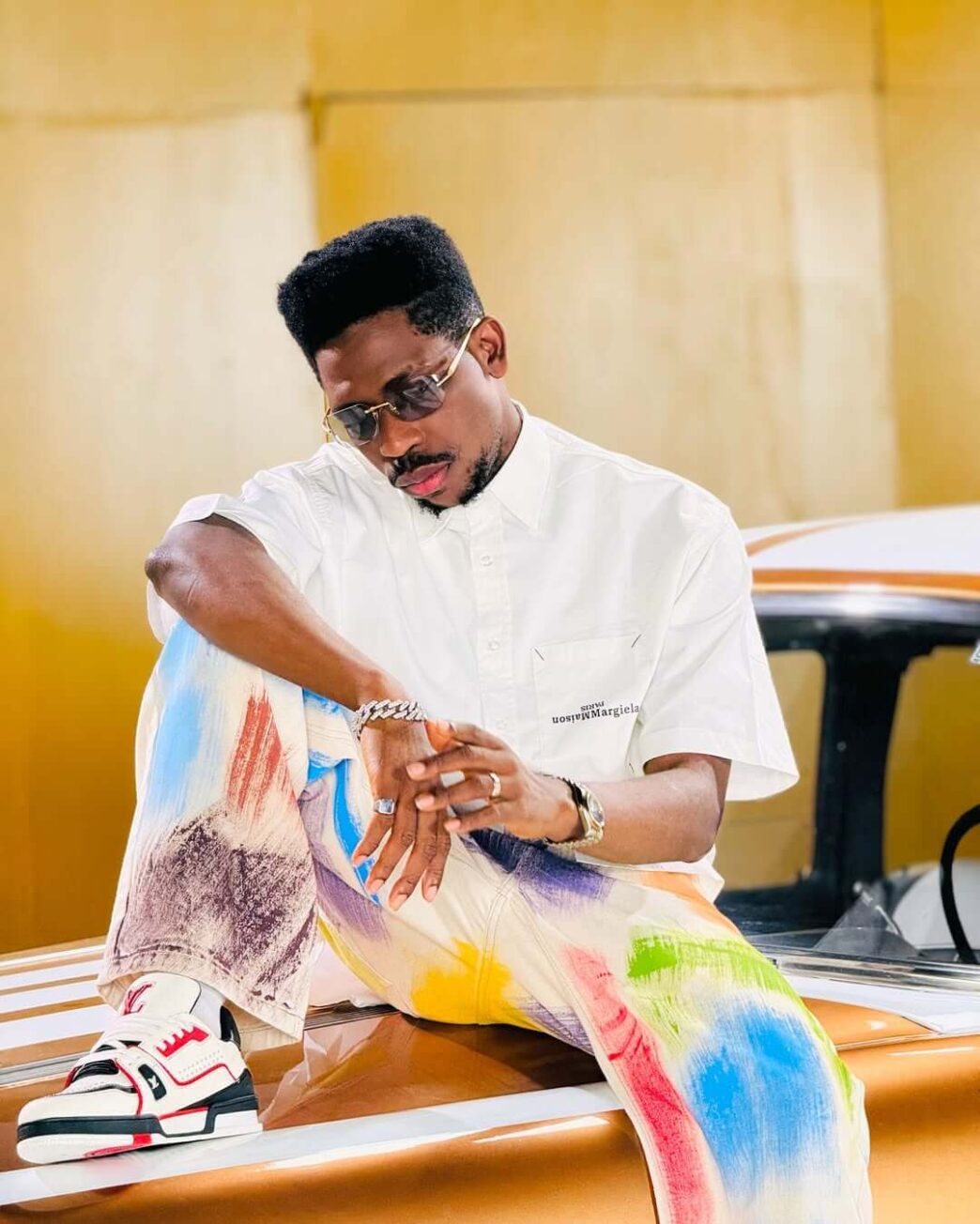
Fashion has become one of the most visible forms of communication in modern culture.
Before someone speaks, audiences often interpret identity visually — through clothing, styling, aesthetics, and presentation.
Christian culture has increasingly entered this reality.
Church fashion, gospel artist styling, worship visuals, creative direction, and faith-based streetwear are now major parts of contemporary Christian expression.
This shift reflects broader cultural changes.
Social media platforms prioritize visual storytelling. Instagram, TikTok, YouTube thumbnails, event photography, and branding systems all rely heavily on aesthetics.
As a result, many younger Christians no longer see style as superficial by default.
Instead, style is viewed as part of communication.
Artists increasingly use fashion to express identity, creativity, confidence, and cultural relevance. Ministries pay closer attention to stage design, visual branding, typography, merchandise, and event experiences.
This does not mean appearance should become obsession.
But it does mean visuals matter.
Historically, many religious spaces treated fashion with suspicion because of concerns around vanity or worldliness. Those concerns still exist today.
However, younger generations often approach fashion differently. For them, clothing and aesthetics are not necessarily about pride but about expression and storytelling.
Christian streetwear brands have also emerged globally, combining faith messaging with contemporary design language. This allows younger believers to integrate spirituality into everyday culture more visibly.
Importantly, fashion within Christian culture is becoming more diverse.
Different denominations, regions, and creative communities now express spirituality visually in different ways.
The broader cultural reality is clear: aesthetics shape perception.
And modern Christian creatives are increasingly learning how to use visual language intentionally.
Examples of this are visible across gospel concerts, worship conferences, album campaigns, and Christian social media branding. Artists now invest heavily in photoshoots, typography systems, stage visuals, styling direction, and cohesive visual identity.
Fashion has become part of storytelling. A worship artist dressed in minimalist earth tones communicates something different from an artist using vibrant streetwear aesthetics. Visual presentation influences audience perception before music even begins.
Christian streetwear brands have also gained popularity among younger audiences who want clothing that reflects both contemporary culture and faith identity.
Church conferences increasingly resemble creative experiences with intentional branding systems, merchandise booths, immersive stage lighting, and social-media-friendly aesthetics.
Some critics worry that this emphasis on visuals can become excessive or image-driven. That concern is valid.
However, visual communication has always shaped culture. Architecture, clothing, symbols, design, and art have historically influenced how communities express identity.
The difference today is speed.
Digital culture amplifies visual communication instantly across global audiences.








Your content is top-notch! I appreciate the effort you put into making it so informative.
I love how your posts are always so well-structured and easy to follow. Keep it up!