







What does it really mean to be a man in today’s world?
For generations, masculinity was often associated with strength, leadership, provision, and authority. However, shifting social expectations, evolving gender conversations, and changing cultural realities have made the question far more complex than it once seemed.
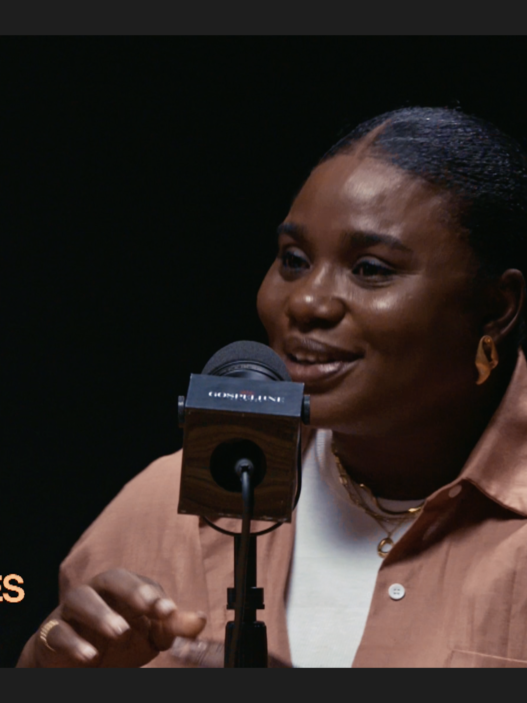
This formed the basis of a thought-provoking conversation featuring Oyeniran James, Precious Benya, Eyituoyo Arenyeka, Michael Adebajo, Jesimiel Williams, and Joshua Adeloye, who came together to share personal experiences and perspectives on manhood, identity, purpose, and the challenges facing young men in modern society.
The discussion opened with reflections on childhood and the experiences that shaped each speaker’s understanding of masculinity. Rather than presenting a single definition, the conversation revealed how personal upbringing, family structures, community influence, and societal expectations often determine how young boys grow into men.
According to Oyeniran James, masculinity is largely influenced by one’s environment and upbringing.
“How people grow up defines masculinity for them.”
His statement highlighted a recurring theme throughout the discussion: that masculinity is often learned before it is consciously understood.
For Joshua Adeloye, defining masculinity has become more complicated over time.
“It was easier to define this during those days in primary school.”
His observation reflected the growing complexity of modern conversations surrounding gender, identity, and social roles. What once seemed straightforward now requires deeper reflection and understanding.
The conversation took an even more personal turn when Precious Benya shared his experiences growing up as a child who often felt different from others because of his expressive nature.
His reflections challenged traditional assumptions about how boys are expected to behave.
Benya argued that individuality should not be sacrificed simply to fit societal expectations.
“I would not sacrifice my individuality for the community.”
Yet, he was quick to balance that perspective with another important point:
“The individual cannot exist outside the community.”
His remarks sparked a deeper conversation about the relationship between personal identity and collective responsibility, emphasizing the need for balance rather than extremes.
The panel also explored how modern perceptions of masculinity are often tied to external achievements such as wealth, status, and influence.
Several speakers questioned whether these standards truly reflect healthy manhood or merely societal expectations.
Joshua Adeloye suggested that many young men become consumed by chasing validation because they have not yet discovered their purpose.
“You continue to chase women, money, and fame when you have not found your purpose.”
The statement resonated strongly with the wider discussion on self-awareness and personal growth.
Another major theme that emerged was the importance of mentorship and accountability among men. Adeloye argued that healthy masculinity is often developed within communities where men guide, challenge, and support one another.
“Men are corrected by a group of men.”
According to him, creating intentional spaces where young men can learn discipline, responsibility, and character is essential for addressing many of the struggles facing today’s generation.
The conversation also touched on feminism and the relationship between men and women’s rights movements.
Rather than dismissing such discussions, the speakers encouraged men to engage with them thoughtfully and understand the historical experiences that have shaped these conversations.
One of the most memorable observations came from Precious Benya, who challenged society’s tendency to focus on narratives instead of underlying issues.
“Instead of changing the headlines, why not change the reality?”
His statement served as a reminder that meaningful change requires more than conversations,it demands action.
As the discussion drew to a close, one message remained clear: masculinity cannot be reduced to money, power, dominance, or social status. Instead, the speakers presented manhood as a continuous journey of growth, responsibility, purpose, accountability, and service to others.
In a time when definitions are constantly evolving, the conversation offered a valuable reminder that becoming a man is less about meeting society’s expectations and more about developing character, finding purpose, and contributing positively to the community.