





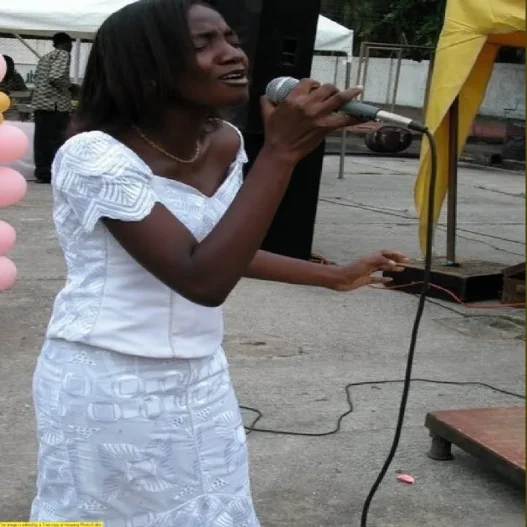

Long before the awards, global tours, and streaming success, many Nigerian mainstream artists first developed their gifts inside church walls.
For decades, the Nigerian church has functioned as one of the country’s strongest creative training grounds — especially for musicians. Choir rehearsals, youth programs, Sunday performances, concerts, and worship teams have quietly shaped some of the biggest names in Nigerian entertainment today.
Many artists who now dominate Afrobeats, R&B, soul, and alternative music first learned how to sing, play instruments, harmonize, lead crowds, or perform in church.
Here are some notable Nigerian mainstream artists with church roots.
Don Jazzy
Before becoming one of the most influential producers and executives in African music through Mavin Records and formerly Mo’ Hits Records, Don Jazzy played instruments in church and was deeply involved in church music culture while growing up.
Wizkid
Before becoming one of Africa’s biggest global music exports, Wizkid reportedly sang in church as a child and was part of a church group called Glorious Five. Like many Nigerian artists, his earliest exposure to structured music performance came through church culture.
Simi
Simi’s vocal control and emotional delivery were sharpened in church choir spaces. She has spoken publicly about growing up singing in church before eventually transitioning into mainstream music. Even today, traces of gospel phrasing and soulful storytelling remain embedded in her sound.
Tiwa Savage
Before becoming one of Afrobeats’ most recognizable female stars, Tiwa Savage sang in church choirs while growing up in London. Church environments helped shape her confidence, harmonization skills, and live vocal discipline.
Banky W
Banky W’s church background strongly influenced both his musicality and public identity. Long before launching Empire Mates Entertainment, he was involved in church choir culture and often referenced faith as part of his personal and artistic foundation.
Johnny Drille
As the son of a pastor, Johnny Drille’s musical upbringing was heavily tied to church life. His sound carries many of the reflective and emotionally intimate qualities often developed in worship and church music spaces.
Timi Dakolo
Known for his powerful vocals, Timi Dakolo developed his singing abilities in church choirs before entering talent competitions and eventually winning the inaugural season of Idols West Africa.
Tems
Tems has spoken about learning piano in school and church-related environments during her younger years. Her musical foundation was shaped early through structured performance and musical training spaces connected to faith communities.
Adekunle Gold
Before mainstream fame, Adekunle Gold was active in church music circles. His transition into commercial music reflects a path many Nigerian artists take: church first, industry later.
Chike
Chike’s vocal background was deeply influenced by church choir culture. His control, harmony awareness, and emotive delivery reflect the type of musical development that church systems often produce.
Patoranking
Before becoming known for dancehall and Afrofusion, Patoranking also had church singing roots. Like many Nigerian musicians, church became an early environment for discovering and refining performance ability.
The Nigerian Church as a Music Incubator
The church has historically been one of Nigeria’s most accessible talent pipelines.
For many young people, especially those without access to expensive music schools or private training, church offered:
- free platforms to perform,
- access to instruments,
- vocal training through choirs,
- live audiences every week,
- mentorship from older musicians,
- and opportunities to build confidence on stage.
In many ways, churches unintentionally became decentralized music academies across Nigeria.
A teenager singing every Sunday for years naturally develops stage presence, vocal stamina, timing, discipline, and audience awareness. Some of the strongest live performers in Nigerian music today were shaped by that environment long before entering the commercial industry.
The Caveat: Why Does the Church Keep Losing Its Best Creative Talent?
While the church has succeeded at discovering and developing talent, many of those talents eventually transition fully into mainstream entertainment spaces.
That is not automatically negative. Mainstream success is not inherently opposed to faith. However, it raises an important question:
Why does the church often function more as a launchpad than a long-term creative ecosystem?
Part of the answer may be that many churches develop talent spiritually but not professionally. Young musicians are often trained to serve, but not always mentored on how to build sustainable creative careers within faith-centered environments.
If churches want to retain more high-level musical talent, they may need to intentionally build:
- artist development systems,
- music business education,
- creative mentorship structures,
- professional production environments,
- fair financial support systems,
- and spaces where artistic ambition is guided rather than viewed suspiciously.
Many gifted musicians leave because the mainstream industry appears to offer what church systems often do not:
- structure,
- visibility,
- investment,
- career growth,
- creative freedom,
- and long-term opportunity.
The future may require churches to think beyond just “music ministry” and begin building sustainable creative institutions capable of nurturing world-class artists without losing them entirely to external systems.
Because the next global star may already be leading worship somewhere this Sunday.




I couldn\’t agree more! Your post is a valuable resource that I\’ll be sharing with others.
Thank you for your kind words. I\’m delighted that you found the post enlightening.
I love how your posts are always so well-structured and easy to follow. Keep it up!