






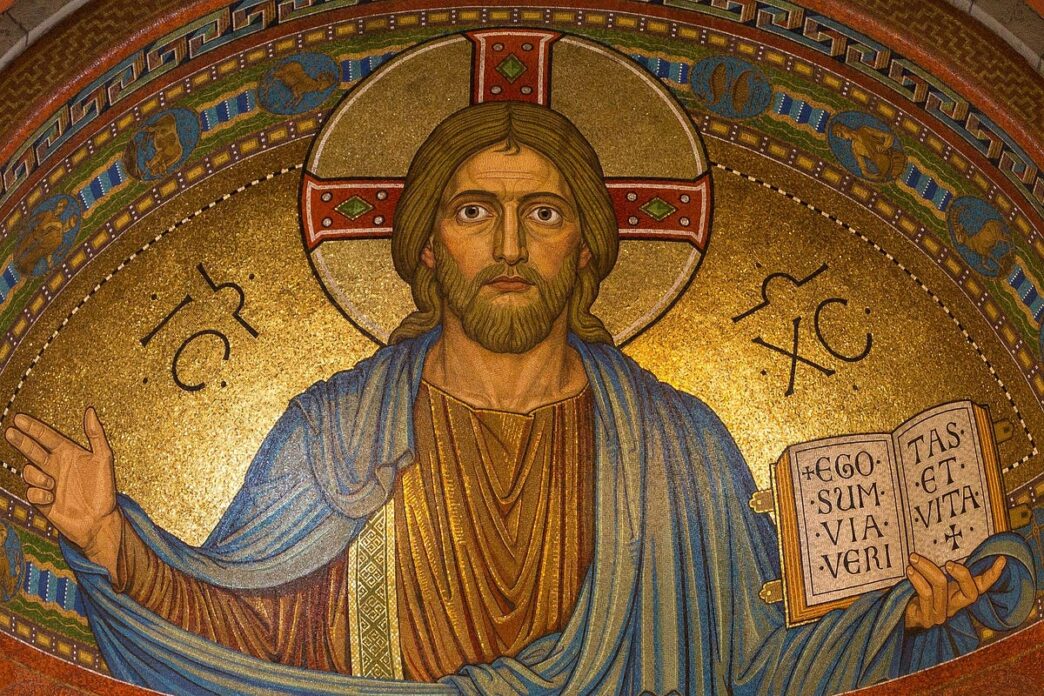
Popular culture often talks about the Church as though it is fundamentally restrictive — anti-art, anti-imagination, anti-progress. But history tells a very different story.
The Church is arguably the single most creatively influential institution civilization has ever produced.
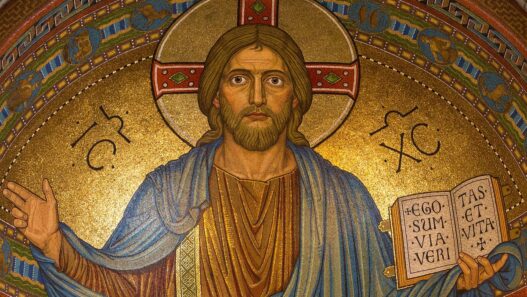
It shaped architecture before modern nations existed. It preserved literature when empires collapsed. It commissioned paintings that still define beauty centuries later. It developed musical systems that became the foundation for Western composition. It influenced theatre, poetry, philosophy, publishing, education, film language, and even the structure of storytelling itself.
Yet modern pop culture frequently remembers the Church primarily through controversy, politics, or moral tension.
Why?
Because culture usually judges institutions by their loudest current image, not their deepest historical contribution.
And in today’s media ecosystem, Christianity is often framed as reactive rather than generative. The Church is discussed more as a moral referee than as a creative engine.
But nowhere is this contradiction more obvious than in Nigeria.
Because Nigerian popular culture is overflowing with people who were shaped by church culture.
The Nigerian Church is not just a spiritual institution. It is one of the largest creative incubators in the country’s history.
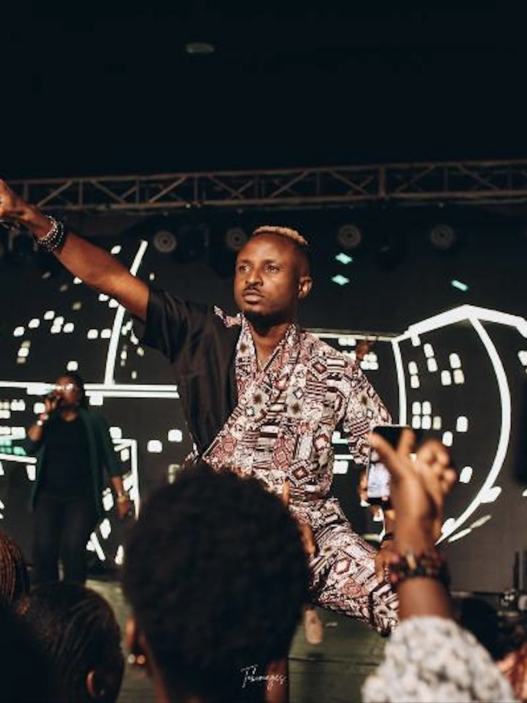
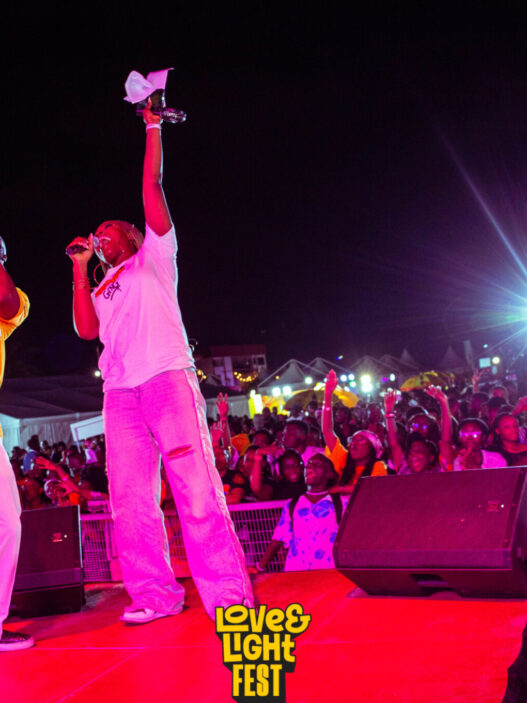
For decades, churches across Nigeria have functioned as unofficial creative academies — training grounds for musicians, vocalists, instrumentalists, public speakers, designers, filmmakers, writers, performers, sound engineers, event producers, and storytellers.
Long before many creatives entered the mainstream industry, they first learned performance discipline in church.
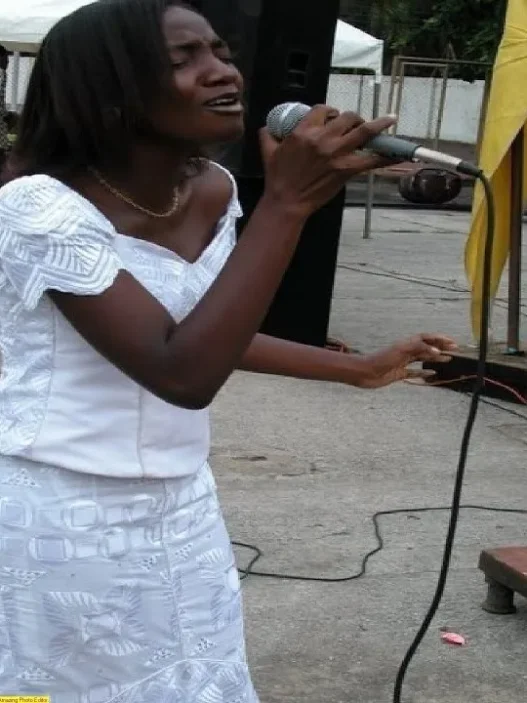
Choirs taught harmony. Drama units taught stage presence. Media departments taught production. Youth conferences taught branding and communication. Churches created environments where young people repeatedly practiced creativity in public, often weekly, in front of live audiences.
Entire generations of Nigerian entertainers came out of that ecosystem.
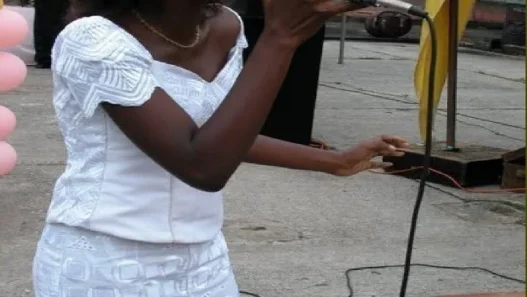
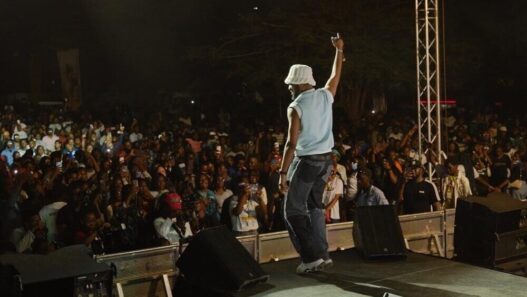
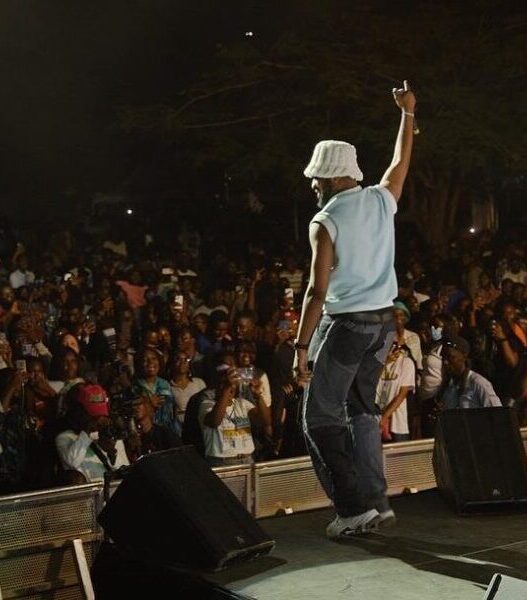
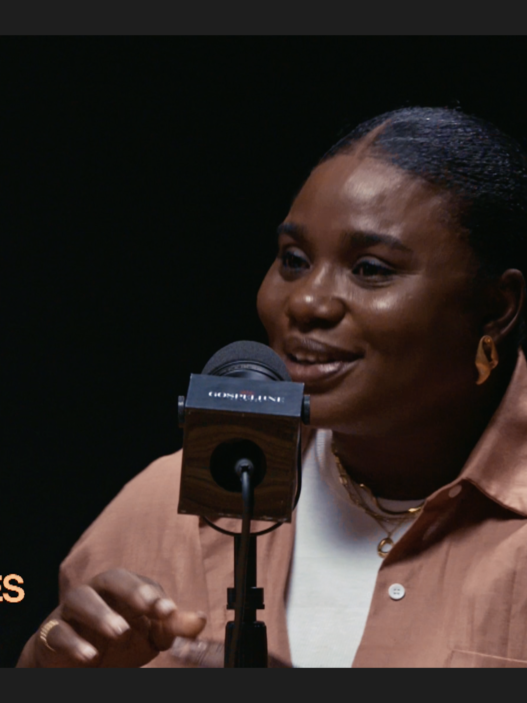
Many Nigerian artists — even those now fully mainstream — started inside church culture. Some sang in choirs. Some played instruments during services. Some learned crowd engagement through church events. Some discovered their voices through gospel performance structures before transitioning into Afrobeats, R&B, filmmaking, comedy, fashion, or media.
The Church built rehearsal culture before the industry industrialized it.
Even aesthetically, Nigerian pop culture still carries strong church DNA.
The emotionality of Nigerian music. The call-and-response patterns. The vocal runs. The communal energy of concerts. The spirituality embedded even inside secular music. The theatricality of live performance. The language of testimony, destiny, favor, grace, elevation, breakthrough, and purpose — these are not disconnected from Nigerian Christianity.
A huge amount of Nigerian pop culture was spiritually incubated before it became commercially packaged.
And yet, popular culture often talks about the Church as though it contributes nothing creatively.
Part of this is because many people only associate church creativity with “gospel content,” which is too narrow a definition.
The Church’s creative influence is broader than worship music.
It shaped confidence. Community. Performance. Leadership. Narrative instinct. Improvisation. Aesthetic ambition. Event production. Even the ability to emotionally move crowds.
Look at how many Nigerian creatives learned consistency from weekly service schedules alone. Every Sunday required execution. New songs. New visuals. New programs. New themes. New presentations. Churches became high-frequency creative laboratories long before “content creation” became a career path.
In many ways, Nigerian churches were already running multimedia ecosystems before the creator economy existed.
But there is also a reason this contribution gets forgotten.
The modern Church often struggles to recognize its own creatives while they are still inside the building.
Many artists, filmmakers, writers, designers, and musicians grew up feeling spiritually useful but creatively misunderstood. Creativity was often accepted only when directly tied to ministry outputs. Art for exploration, imagination, cultural engagement, or storytelling sometimes felt secondary compared to overtly “spiritual” expressions.
That tension created distance between the Church and the culture-shaping creatives it helped produce.
So now, many creatives carry church influence in their instincts while operating outside institutional Christianity in practice.
Still, the fingerprints remain obvious.
You can hear it in Nigerian music. You can see it in performance culture. You can feel it in the emotional texture of Nigerian storytelling.
The irony is that Christianity is not anti-creativity at all.
The faith literally begins with creation.
The Bible opens not with a sermon, but with an act of imagination — a Creator bringing form, rhythm, language, beauty, and meaning out of chaos.
And perhaps that is what popular culture forgets most: the Church did not just participate in creative history.
For centuries, it helped build the creative imagination of civilization itself — including Nigeria’s.




Your post is a true masterpiece. I\’ll be referencing it in my own work.
I\’m honored to hear that. I\’m always striving to provide the best information possible.
This post is a game-changer. I\’ve learned so much from it – thank you!
Your post is a true masterpiece. I\’ll be referencing it in my own work.
I\’m so glad I found your site. Your posts are consistently excellent.