


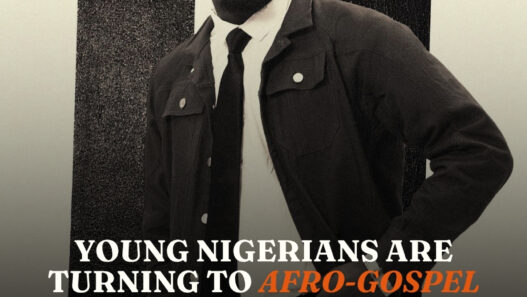




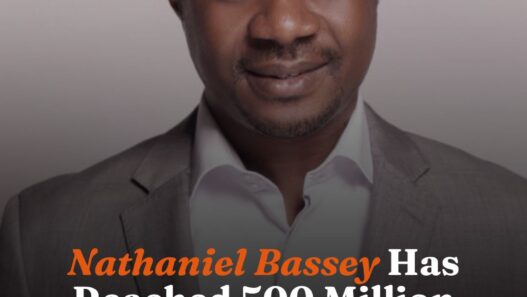
Before “Afrogospel” became a global label, there were Nigerian artists experimenting boldly with gospel music outside traditional church sounds. They mixed faith with hip-hop, Afrobeats, highlife, R&B, pop culture, street language, and youth culture — creating music that felt culturally alive while still centered on God.
These artists helped shape what many now recognize as modern Afrogospel.
Midnight Crew
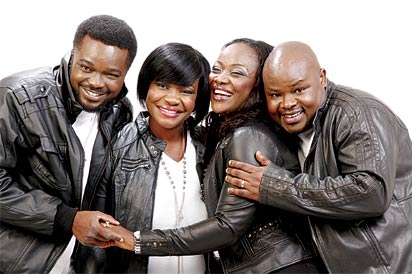
If there is one song almost impossible to remove from Nigerian gospel culture in the 2000s, it is Igwe. Midnight Crew helped push contemporary gospel into mainstream Nigerian consciousness at a time when gospel music was still largely boxed into traditional sounds.
Their fusion of praise music, African percussion, and catchy hooks created a template many artists would later build on.
Bouqui

Long before Christian rap became widely accepted in Nigeria, Bouqui was already doing it unapologetically. She brought swagger, lyricism, and street-conscious production into gospel music while maintaining strong faith-centered messaging.
For many young Nigerians, she was proof that gospel music did not have to sound “old” to be spiritual.
Samsong
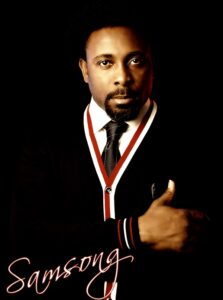
Samsong helped pioneer energetic urban gospel music in Nigeria during the early and mid-2000s. His sound blended contemporary gospel with Afro-pop influences, making his music accessible across churches, campuses, concerts, and radio.
He became one of the artists who helped normalize modern production styles in gospel music.
Infinity

Infinity stood out for their strong integration of indigenous Nigerian sounds, especially Yoruba influences, into gospel music. Songs like Olori Oko became culturally significant because they felt deeply Nigerian while remaining spiritually grounded.
They helped show that local language and culture could thrive inside contemporary gospel expression.
Rooftop MCs

Few groups shaped Nigerian Christian youth culture like Rooftop MCs. Their mix of rap, humor, street vernacular, and social commentary made them deeply influential among young Christians in the 2000s.
At a time when many people viewed secular music culture and Christianity as completely separate worlds, Rooftop MCs created a bridge between both spaces.
Lara George
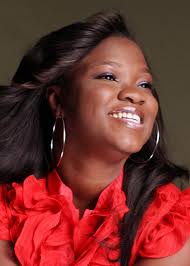
Lara George brought a soulful, sophisticated approach to Nigerian contemporary gospel music. Her songwriting and vocal style helped position gospel music as both spiritually meaningful and artistically excellent.
Her music carried emotional depth while remaining accessible to mainstream audiences.
Frank Edwards
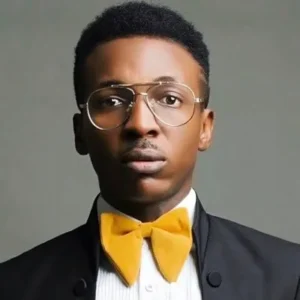
Frank Edwards became one of the defining faces of modern Nigerian gospel music in the 2010s. His blend of worship, pop production, synth-driven arrangements, and African rhythms helped reshape audience expectations for gospel sound and presentation.
He also played a major role in inspiring a younger generation of gospel artists and producers.
Protek Illasheva

Protek Illasheva became one of the most respected voices in Nigerian Christian hip-hop through sharp lyricism, storytelling, and intentional cultural engagement.
His work helped expand conversations around faith, creativity, identity, and urban culture within Nigerian gospel spaces.
Gaise Baba

Gaise Baba carved out a distinct lane by blending Afrobeats, Yoruba expression, social commentary, and faith-driven storytelling. His music often feels deeply rooted in Nigerian culture while remaining modern and globally aware.
He represents an important part of the transition from “urban gospel” into what many now call Afrogospel.
Limoblaze
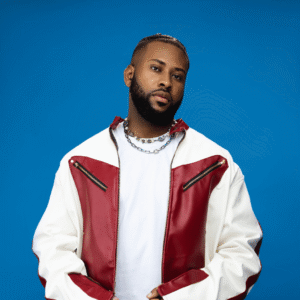
Limoblaze is one of the clearest examples of Afrogospel’s global evolution. His music combines Afrobeats, trap, hip-hop, and contemporary Christian music in ways that connect strongly with younger listeners worldwide.
Through international collaborations and streaming success, he has helped bring Afrogospel into global music conversations.
More Than Music
These artists did more than create songs. They helped:
- Expand the creative possibilities of gospel music
- Connect Christianity with youth culture
- Normalize excellence in gospel branding and production
- Build bridges between faith and contemporary African sound
- Lay foundations for today’s Afrogospel movement
Many current artists are building on systems, sounds, risks, and audiences these pioneers helped establish years ago.
Afrogospel may be trending now, but its roots in Nigeria run deep.




I\’m so glad I found your site. Your posts are consistently excellent.
Your content is top-notch! I appreciate the effort you put into making it so informative.
I\’m honored to hear that. I\’m always striving to provide the best information possible.
I love how your posts are always so well-structured and easy to follow. Keep it up!