


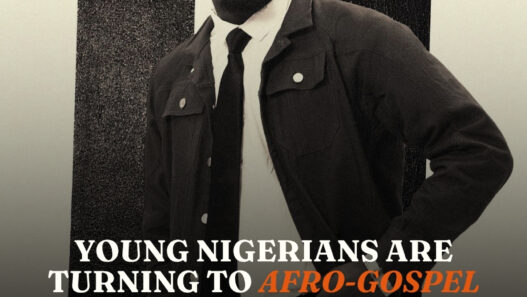





There was a time when many young Nigerians viewed gospel music as culturally outdated.
It was often associated primarily with traditional church settings, older audiences, or less polished production compared to mainstream music.
That perception has changed dramatically.
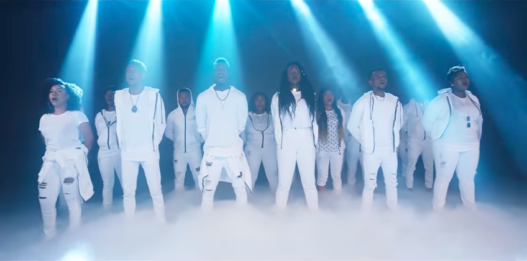
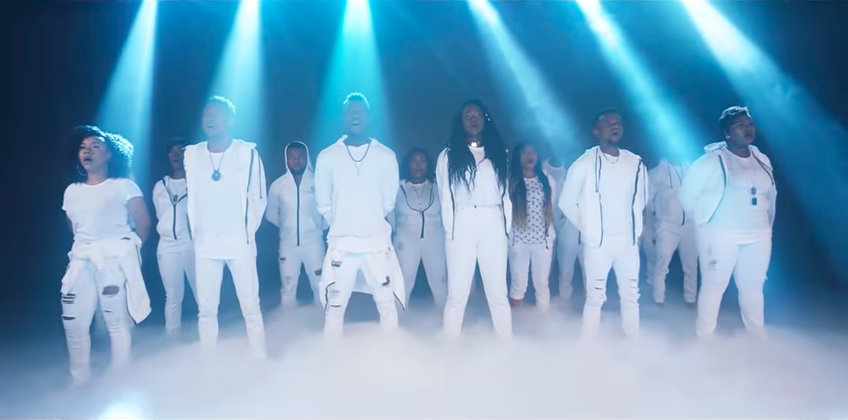
Today, Nigerian gospel music increasingly feels youthful, stylish, sonically modern, and culturally visible.
Several factors contributed to this transformation.
First, production quality improved significantly.
Contemporary gospel artists began investing more intentionally in mixing, mastering, live instrumentation, visuals, stage design, and songwriting.
Artists like Frank Edwards helped modernize gospel sound by blending worship with contemporary pop and Afro-influenced production. Limoblaze introduced stronger hip-hop and Afrobeats integration that connected with younger listeners globally.
Visual branding also changed perceptions.
Album covers became more intentional. Fashion styling improved. Music videos became more cinematic. Social media strategy became more sophisticated.
This mattered because younger audiences increasingly consume music visually as much as sonically.
Church culture itself also evolved.
Many younger churches embraced stronger creative departments, modern worship arrangements, contemporary design language, and youth-focused experiences.
As a result, gospel music began feeling culturally aligned with younger audiences rather than disconnected from them.
Social media accelerated this transformation.
Dance challenges, worship clips, live session videos, testimony moments, and concert footage spread rapidly online. Songs that once stayed within church walls now entered mainstream internet conversation.
Collaborations also helped.
Afrogospel artists began working across genres and international markets, increasing visibility.
Importantly, younger listeners also became more open to spiritually meaningful content.
Many people experiencing emotional exhaustion from internet culture began reconnecting with music that felt hopeful, healing, or uplifting.
This created new cultural openness toward gospel music.
The shift does not mean every gospel artist is now mainstream.
But it does mean Nigerian gospel music increasingly participates confidently within broader cultural conversations.
And for many younger creatives, that visibility matters deeply.








Your dedication to providing quality content is truly admirable. I\’m a fan of your work.
Your content is a go-to source for me when I need information. Great work, as always!
I appreciate your support. I\’m glad to know my insights resonate with you.