









Why does Afro-Gospel resonate deeply with the younger generation?
Imagine It is Friday evening in Lagos. Traffic crawls through the city as buses blare Afrobeats from aging speakers. Young people scroll endlessly through TikTok, Instagram Reels and Spotify playlists. Somewhere between the latest secular hits, another song begins to play. The beat is familiar, the rhythm feels unmistakably African, but instead of celebrating wealth, heartbreak or nightlife, the lyrics speak of hope, grace and Jesus Christ.
Many listeners do not skip it. In fact, for thousands of young Nigerians, songs like these are becoming an unexpected doorway back to faith. This raises an important question: Why is Afro-Gospel resonating so deeply with a generation that many describe as increasingly disconnected from organized religion?
For years, churches have struggled with how to communicate timeless biblical truths to a generation shaped by smartphones, streaming platforms and social media. Generation Z did not grow up in the same world as their parents; they consume information differently, communicate differently and ask different questions about faith. Many are searching for authenticity rather than performance, conversation rather than condemnation, and relationship rather than mere religious routine.
Afro-Gospel has emerged within this cultural reality. Rather than abandoning the Christian message, many Afro-Gospel artists have chosen to communicate it using the musical language young Africans already understand. They combine Afrobeats, hip-hop, highlife and amapiano with lyrics rooted in Scripture, testimony and hope, creating music that sounds culturally familiar while carrying a distinctly Christian message.
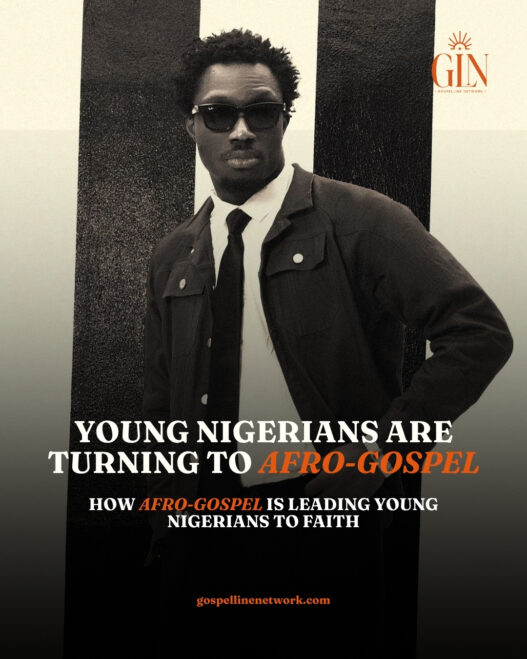
Artist Vic Lucas believes this cultural blend reflects his own life journey. In an interview, he described himself as “an Afro-spiritual artist with a global perspective,” explaining that “Afrobeat is the heartbeat, hip-hop taught me honesty, and faith gives everything meaning.” Having grown up between Nigeria, South Africa and the United States, Lucas argues that his music naturally speaks to people from different backgrounds because everyone experiences “longing, hope, heartbreak, faith and purpose.”
Perhaps even more significant is his commitment to honesty. Reflecting on the inspiration behind his song Joy Is Coming, Lucas admitted that it was written during seasons of emotional exhaustion, loneliness and disappointment. He explained, “Hope isn’t always loud. Sometimes it’s just choosing to believe tomorrow can still be beautiful.” He further observed that “people are tired of performances. They want honesty.”
That statement may explain much of Afro-Gospel’s growing appeal. Today’s young people are remarkably skilled at recognizing performance, and carefully crafted religious appearances often fail to impress a generation that values transparency. When artists openly acknowledge pain, doubt and struggle while pointing listeners toward Christ, faith becomes more believable because it speaks honestly about real life.
Lady Audri echoes a similar conviction. After spending two decades behind the scenes as a Grammy-winning audio engineer, she explained that her transition into becoming a recording artist was not driven by recognition but by preparation. “The development happened long before the recognition,” she said. “The GRAMMY was confirmation that I had been professionally developed.” Her story reminds young creatives that excellence and spiritual calling are cultivated through years of faithful work rather than instant success.
Afro-Gospel’s influence also reflects an important cultural shift. Earlier generations often associated gospel music with church choirs, hymn books and formal worship settings, but today’s artists increasingly express biblical truths in English, Pidgin English and indigenous African languages over contemporary African rhythms. This allows young Nigerians to experience Christianity without feeling that they must abandon their cultural identity.
Church historian Andrew Walls argued that Christianity is both deeply rooted in local cultures and constantly transforming them. Every society receives the Gospel in its own language, music and customs, yet the Gospel also challenges every culture where it takes root. Afro-Gospel illustrates this principle by demonstrating that African musical identity and biblical faith can exist together without compromising either.
This does not mean every Afro-Gospel song automatically qualifies as sound Christian teaching. Music should never replace Scripture, discipleship or the local church. Popularity is not the same as spiritual maturity; viral success is not evidence of biblical faithfulness. The Church must continue exercising discernment while encouraging creativity that faithfully proclaims Christ.
Still, dismissing the movement entirely would overlook its remarkable contribution. For some young Nigerians, an Afro-Gospel playlist becomes the first invitation to explore Christianity; for others, it becomes the soundtrack that strengthens faith during difficult seasons. For many, it demonstrates that following Christ does not require abandoning African identity or contemporary creativity.
The Church has always searched for new ways to communicate an unchanging Gospel to changing generations. Today’s generation simply happens to hear that message through headphones before they hear it from a pulpit.
Perhaps the greatest lesson is this: young people are not rejecting Jesus as much as they are searching for authentic expressions of Him. If the Church is willing to listen, it may discover that behind the rhythms of Afro-Gospel lies a generation asking timeless questions about hope, identity, purpose and God.
And maybe the real question is no longer whether Afro-Gospel is leading young Nigerians to faith. The question is whether the Church is prepared to walk with those who arrive through its music.